
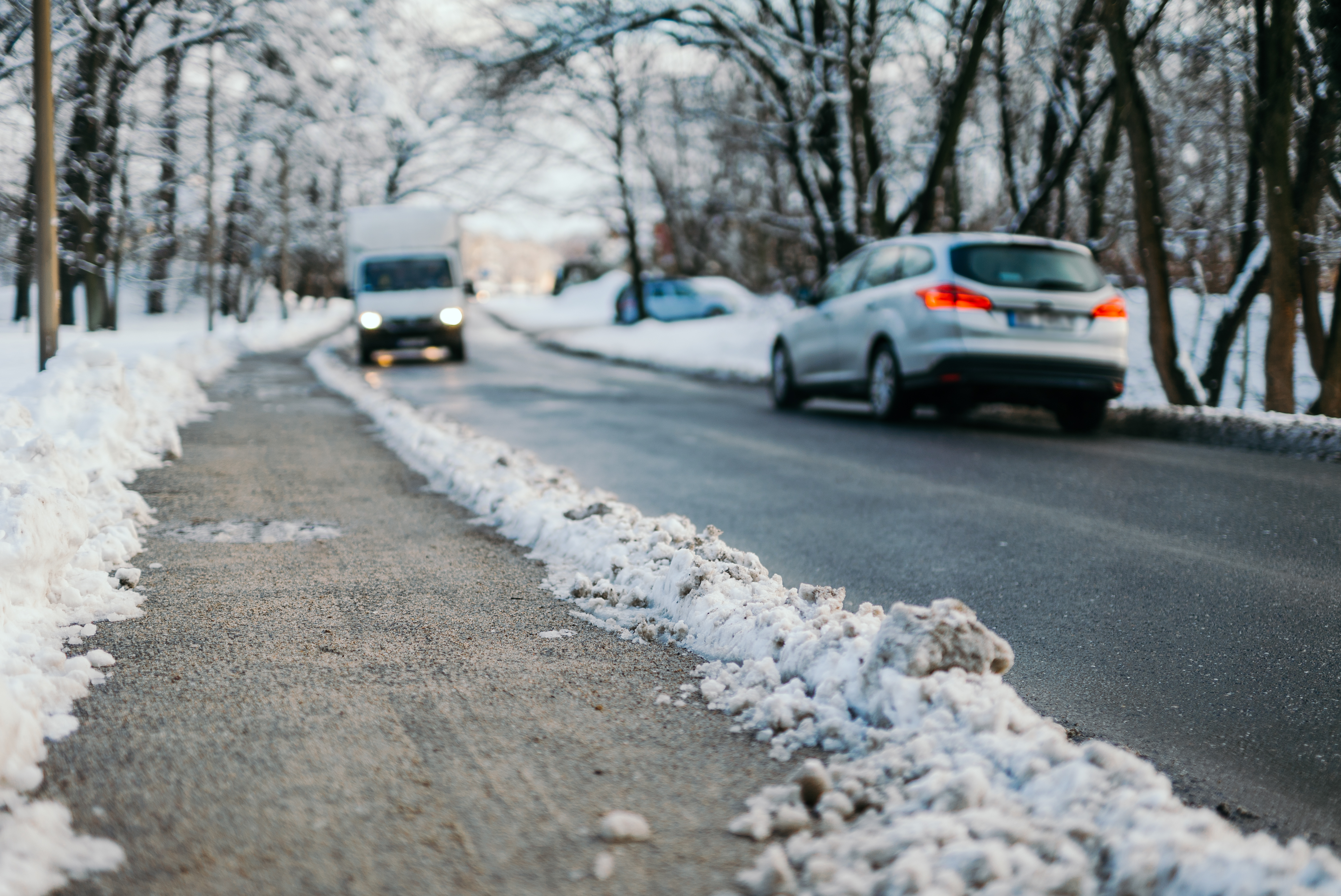
Winter Driving Dangers: What Motorists and Pedestrians Should Understand
Winter Weather Brings Higher Risks on the Road
Cold-weather driving often comes with unpredictable road conditions. Snow, ice, slush, and reduced daylight all contribute to an increase in accidents during the winter months. Whether you’re behind the wheel or walking near traffic, knowing how winter hazards affect visibility, traction, and reaction time can play a major role in keeping you safe—and protecting your rights if a collision occurs.
Why Winter Conditions Create Serious Hazards
Data from the Federal Highway Administration shows just how dangerous winter driving can be. Roughly 24% of weather-related crashes happen on snowy, icy, or slushy roads, while another 15% occur during active snowfall. These conditions make it much harder for drivers to stop quickly or maintain control, often leading to more severe injuries and longer emergency response times.
One of the most dangerous winter hazards is black ice. This thin, nearly invisible layer forms on roads overnight or during early morning hours and is extremely difficult to detect. Even cautious or experienced drivers can lose control almost instantly after hitting black ice. Across the U.S., icy pavement contributes to more than 150,000 crashes and over 550 fatalities each year.
Shorter days also create a higher risk for those on foot. Because darkness falls earlier in the winter, many commuters, students, and pedestrians travel outside when visibility is poor. If snow piles up on sidewalks or people wear dark clothing, drivers may struggle to see them. Nearly 80% of pedestrian fatalities occur at night, and winter conditions only increase this danger.
Common Winter Driving Errors
Many winter crashes are preventable, yet drivers often make mistakes that put others at risk. Failing to remove snow and ice from a vehicle is one of the most common issues. Snow on the roof can slip onto the windshield while driving, while chunks of ice can fly off and damage other vehicles. Several states—including Pennsylvania and New Jersey—can fine drivers for not properly cleaning their cars.
Other risky behaviors include speeding in slippery conditions, tailgating, and forgetting to turn on headlights during snow or low-light hours. Sudden steering or hard braking can send a vehicle into a skid, especially on untreated roads, increasing the likelihood of multi-car collisions.
Rural Areas and Truck Traffic Increase Winter Risk
People who live or drive in rural communities face added challenges. Roads in these regions are often treated less frequently, and bridges and overpasses freeze long before the surrounding pavement. Sparse street lighting makes it hard to identify black ice, stranded vehicles, or pedestrians. In addition, emergency crews typically take longer to respond in remote locations, which can worsen injuries following a crash.
Commercial vehicles add another layer of risk. Large trucks already require more distance to stop, and icy roads can make it nearly impossible for truckers to slow down safely. Jackknife accidents—where the trailer swings out to the side—can happen in seconds and often trigger massive chain-reaction crashes. The Federal Highway Administration reports that over 1,800 people die each year in crashes on snowy or icy roads, and many involve commercial trucks.
The deadly 2021 Fort Worth crash remains a stark illustration of winter’s dangers. Icy conditions led to a 130-vehicle pileup that killed six people and injured dozens more—highlighting how quickly winter road conditions can escalate into catastrophic events.
Distraction + Low Visibility = Serious Danger
When visibility drops, distractions become even more dangerous for both drivers and pedestrians. Motorists may be adjusting heaters, clearing fogged windows, or managing navigation systems, all of which take attention away from the road. Meanwhile, pedestrians may be bundled in winter gear, focusing on keeping their balance, or carrying multiple items that obstruct their view.
Children walking to school in the dark are especially vulnerable, particularly if they aren’t wearing reflective clothing. Older adults may also face mobility challenges on icy sidewalks and require more time to cross streets. The combination of slippery surfaces, poor lighting, and distracted travelers increases the risk of serious injuries.
How to Stay Safe During Winter Travel
Drivers can reduce their risk by preparing carefully and adjusting their habits. Before driving, remove all snow and ice from the vehicle—including the roof, mirrors, lights, and all windows. Reducing speed and increasing following distance provides extra time to react on slippery roads. Applying brakes gently rather than abruptly helps prevent skids. Keeping a winter emergency kit—with items like a blanket, flashlight, scraper, and kitty litter or sand for traction—is also a good safety precaution.
Pedestrians can also take steps to stay safe. Wearing bright or reflective clothing makes it easier for drivers to see them, especially at night. Using designated crosswalks, even when snow piles block sidewalks, reduces the risk of walking directly in traffic. Staying attentive and avoiding phone distractions while crossing streets can make a significant difference in low-visibility conditions.
Legal Support After a Winter Accident
Even when you follow all recommended safety measures, accidents can still occur. Winter weather often complicates injury claims, making it harder to determine fault or negotiate with insurance companies. If you or someone you love is injured in a winter-related crash—whether as a driver or pedestrian—it’s important to speak with a personal injury attorney.
A lawyer can help evaluate the incident, handle communications with insurance companies, and pursue compensation for medical care, lost income, and pain and suffering. Acting quickly is essential to protecting your rights and building a strong case.
If you’ve been involved in a winter accident, reach out today to learn more about your legal options and get guidance on the next steps.