
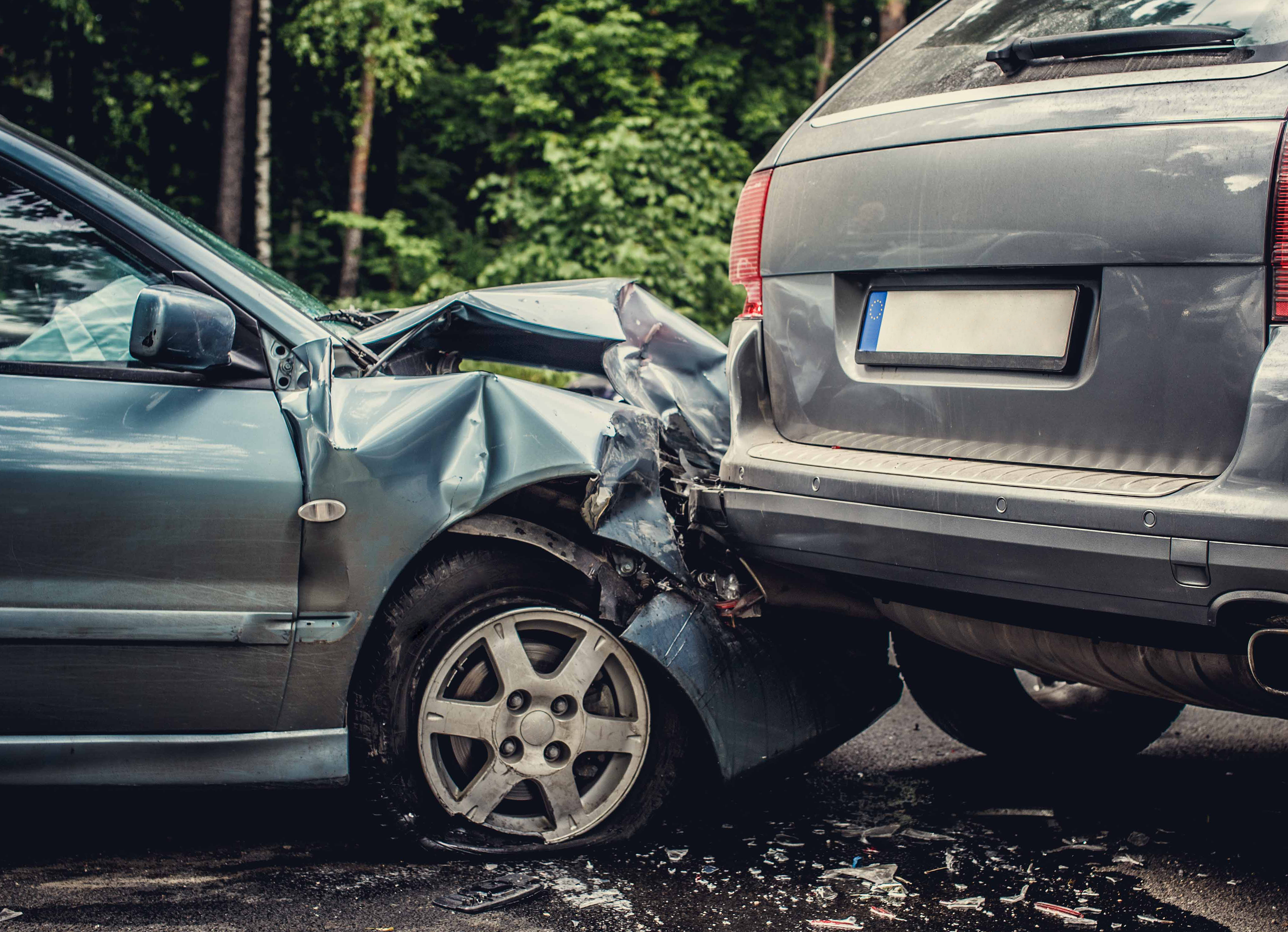
What to Do If You’re in an Accident with an Uninsured Driver
Handling a Car Accident When the Other Driver Has No Insurance
Being involved in a car accident is stressful, even on the best of days. But when the other driver doesn’t carry insurance, the situation can become even more overwhelming. Although nearly every state requires drivers to maintain some level of liability insurance, many still choose to operate their vehicles without proper coverage. When that happens, getting compensation for medical expenses, vehicle repairs, and lost earnings can be more complicated — but it’s far from impossible.
Immediate Steps to Take After the Crash
If you’re hit by an uninsured driver, your first priorities should mirror what you would do after any collision. Start by checking yourself and others for injuries and calling 911 if anyone needs medical help. Even if injuries seem minor, it’s important to have law enforcement arrive and create an official accident report, as this documentation often plays a key role in future insurance claims.
Once everyone is safe, begin gathering as much information as you can. Exchange contact details with the other driver if they remain at the scene, including their name, phone number, and any identification they are willing to provide. Write down their vehicle’s make, model, and license plate number. Take photos of both vehicles, the surrounding area, road conditions, and any visible damage. These details can help strengthen your claim later.
After collecting evidence, reach out to your insurance company as soon as possible. Notifying them promptly is essential because the claims process typically depends on determining who caused the accident — especially in states that follow an “at-fault” system, where the responsible driver must pay for any resulting damages.
How Your Own Insurance May Help
If the uninsured driver is found to be at fault, your insurance policy may offer some protection. Many people carry uninsured or underinsured motorist coverage, which is specifically designed for situations like this. This type of coverage can help pay for your medical treatment, lost wages, and potentially even vehicle damage if the other driver has no insurance or doesn’t have enough coverage to fully compensate you.
Other optional coverages may also step in. Collision coverage can help cover repair costs for your vehicle no matter who caused the crash. Personal injury protection (PIP), required in some states and optional in others, may help pay for medical expenses, rehabilitation needs, and even lost income. These coverages can significantly ease the financial burden after an accident with an uninsured driver.
However, if you don’t carry these additional protections, your options through your insurance provider may be more limited. This makes it especially important to review your policy regularly and understand what coverage you have before an accident occurs.
Considering Legal Action
For some people, pursuing a lawsuit against the uninsured driver may be an option. Filing a lawsuit allows you to seek compensation for costs like medical bills, car repairs, and pain and suffering. But it’s important to recognize that this path may not always lead to meaningful recovery — especially if the other driver has few financial assets. A court judgment only helps if the defendant has the means to pay.
Before deciding whether to sue, it’s wise to speak with a car accident attorney. They can assess the circumstances, review the uninsured driver’s known financial situation, and help you determine whether legal action makes sense. An attorney can also guide you through the process of documenting your injuries, collecting evidence, and preparing a strong claim.
What to Do After a Hit-and-Run
If the uninsured driver flees the scene, the situation is treated similarly to other uninsured motorist claims. Because there is no identifiable driver, your uninsured motorist coverage typically becomes the primary source of financial support. You will need to file a police report right away and notify your insurance company quickly to begin the claims process.
Why Working with an Attorney Can Help
Accidents involving uninsured drivers can feel incredibly frustrating, especially when you’re left dealing with injuries, repairs, and unexpected financial stress. An experienced attorney can help you navigate the insurance claim process, communicate with adjusters on your behalf, and ensure that your rights remain protected throughout. They can also help you understand which coverages apply to your situation and what steps to take to maximize your compensation.
While an accident with an uninsured driver may seem daunting, understanding your coverage and responding quickly can make a significant difference. With the right support and a clear plan of action, you can work toward recovering the financial compensation you need and moving forward with confidence.